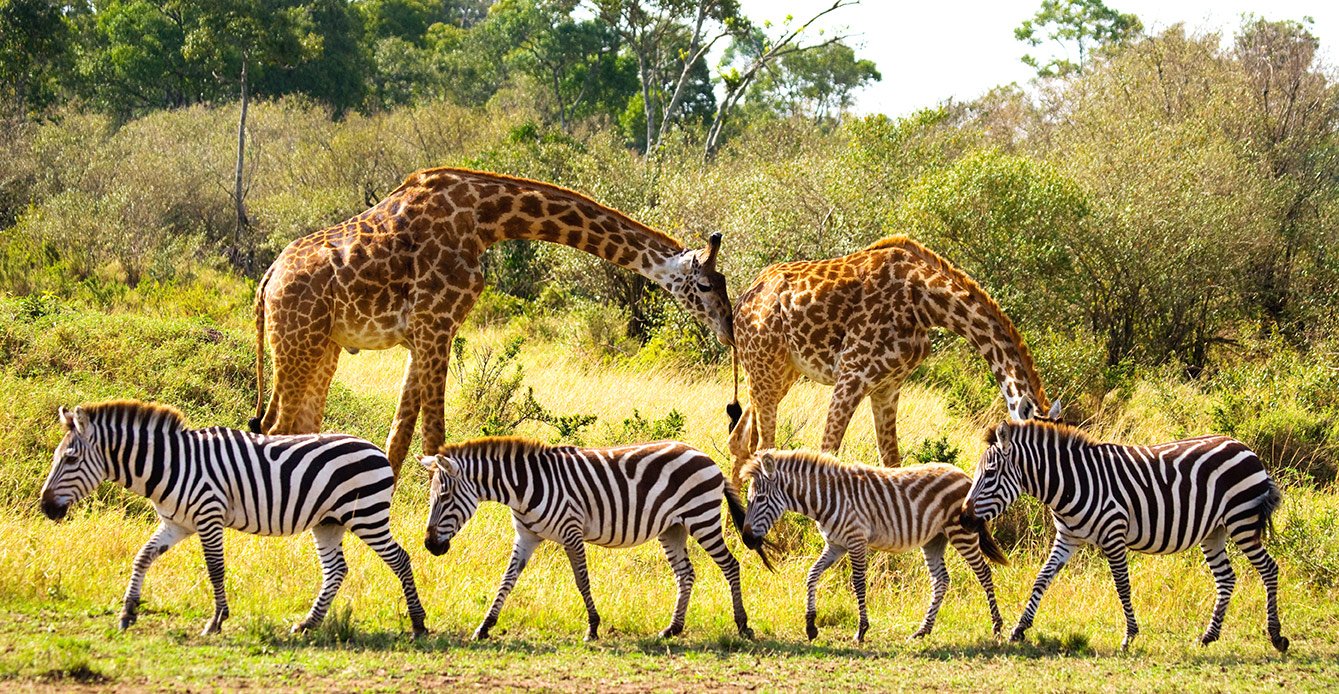
Imagine standing in the middle of a lush forest, the kind where sunlight filters through the canopy like golden threads, and suddenly, a family of deer darts across your path. I remember a hike like that in the foothills of the Himalayas years ago—heart pounding, not from fear, but from sheer awe. That moment stuck with me, reminding me how intertwined we are with the wild world. But today, with species vanishing faster than we can count, it’s not just about those thrilling encounters; it’s about survival—ours included. This article dives deep into why we must save wildlife, blending hard facts with real stories to show how protecting animals isn’t a luxury, it’s essential for our planet, our health, and our future.
What is Wildlife Conservation?
Wildlife conservation isn’t some abstract concept dreamed up in boardrooms; it’s the hands-on effort to protect animals and their habitats from threats like habitat loss and poaching. At its core, it means ensuring species thrive in the wild, not just survive in zoos. Think of it as safeguarding the web of life where every creature plays a role, from tiny pollinators to massive predators. Without it, ecosystems crumble, and we feel the ripple effects in our daily lives.
Defining the Basics
Simply put, wildlife conservation involves strategies like creating protected areas, enforcing anti-poaching laws, and restoring degraded lands. It’s about balance—allowing human progress while preserving nature’s diversity. For instance, national parks act as safe havens where animals can roam free, breeding and migrating without constant human interference.
A Brief History
The roots of modern conservation trace back to the late 19th century, when visionaries like John Muir pushed for national parks in the U.S. Fast forward to the 1970s, and global efforts ramped up with treaties like CITES to curb wildlife trade. Today, organizations like the WWF lead the charge, drawing on decades of fieldwork to reverse declines in species like tigers and rhinos.
The Ecological Imperative
Ecosystems are like intricate machines, and wildlife is the oil that keeps them running smoothly. Lose a key species, and the whole system grinds to a halt. Conservation isn’t just about saving cute animals; it’s about preserving the natural processes that sustain life on Earth, from clean air to fertile soil.
Maintaining Biodiversity
Biodiversity is the variety of life in an area, and it’s our planet’s safety net. Each species contributes uniquely—think bees pollinating crops or wolves controlling deer populations. Without this diversity, ecosystems become vulnerable to pests, diseases, and collapse, as seen in areas where overfishing has decimated marine life.
Balancing Ecosystems
Predators and prey keep each other in check, preventing overpopulation or starvation. Reintroducing gray wolves to Yellowstone, for example, revived overgrown vegetation and boosted bird populations. It’s a chain reaction: healthier plants mean better soil, which supports more life, creating resilient habitats that withstand environmental stresses.
Climate Change Mitigation Through Wildlife
Picture this: a vast forest absorbing carbon like a giant sponge, shielding us from worsening storms. Wildlife plays a starring role here, with animals dispersing seeds to regrow forests and maintain carbon sinks. Ignoring conservation means amplifying climate woes—it’s like cutting off our nose to spite our face.
Forests as Carbon Sinks
Trees and wildlife work together; elephants trample paths that allow new growth, while birds spread seeds far and wide. Protected areas like the Amazon store billions of tons of carbon, but deforestation releases it, fueling global warming. Saving wildlife means saving these natural buffers against climate chaos.
Coastal Habitats’ Role
Mangroves and coral reefs, teeming with marine life, act as barriers against rising seas and hurricanes. Fish and turtles maintain these ecosystems by controlling algae and pests. When we protect them, we’re not just saving species—we’re fortifying communities against disasters, as evidenced by healthier mangroves reducing flood damage in coastal regions.
Medicinal Treasures from the Wild
I’ve always been fascinated by how nature holds cures we haven’t even discovered yet. Remember how penicillin revolutionized medicine? It came from a mold, and countless drugs trace back to wild species. Losing wildlife is like burning a library full of potential lifesavers before we’ve read the books.
Nature’s Pharmacy
Plants and animals provide compounds for treatments; the rosy periwinkle from Madagascar yields cancer-fighting drugs, while viper venom inspires blood thinners. With over 25% of modern medicines derived from nature, conserving biodiversity ensures future breakthroughs for diseases like Alzheimer’s or new antibiotics.
Untapped Potential
In remote rainforests, species like tarantulas offer venom with pain-relieving properties, potentially aiding Parkinson’s patients. But habitat destruction wipes out these resources—think of the Pacific yew tree, once dismissed as a weed, now key to ovarian cancer treatment. We can’t afford to lose these hidden gems.
Supporting Agriculture and Food Security
Without wildlife, our dinner plates would look pretty barren. Pollinators alone are worth billions to global agriculture, buzzing from flower to flower to ensure fruits and veggies grow. It’s humorous to think: no bees, no more almond milk in your latte—who’d have thought insects could dictate breakfast trends?
Pollination Powerhouses
Bees, birds, and bats pollinate 75% of the world’s food crops, from apples to chocolate. In areas where pollinators decline due to pesticides, yields drop dramatically. Conservation efforts, like planting wildflower strips, boost these helpers, securing food supplies for billions.
Natural Pest Control
Birds and insects prey on crop-damaging bugs, reducing the need for harmful chemicals. Ladybugs devour aphids, while owls keep rodent populations in check. Farms near conserved habitats see higher productivity, proving that wildlife isn’t a competitor—it’s an ally in sustainable farming.
A Cleaner, Healthier Environment
Wildlife acts as nature’s cleanup crew, breaking down waste and recycling nutrients. Ever seen vultures circling a carcass? They’re not ominous; they’re essential, preventing disease spread by disposing of remains. Without them, we’d face more outbreaks and polluted landscapes.
Decomposition Heroes
Microbes, fungi, and earthworms turn dead matter into rich soil, supporting plant growth. Scavengers like eagles speed up the process, keeping ecosystems hygienic. In regions where vulture populations crashed from poisoning, human health suffered from increased rabies and water contamination.
Water and Air Purification
Wetlands teeming with wildlife filter pollutants, providing clean water for millions. Beavers create dams that recharge aquifers, while forests with diverse species purify air by absorbing toxins. Protecting these systems means healthier communities, free from the costs of artificial filtration.
Economic Benefits of Saving Wildlife
Money talks, and wildlife conservation shouts value. From tourism dollars to job creation, healthy ecosystems pump billions into economies. I once visited a safari in Kenya— the thrill of spotting lions supported local guides, hotels, and artisans, turning wildlife into a sustainable goldmine.
Tourism Revenue
Ecotourism generates massive income; whale watching alone brings in $2 billion globally. In India, wildlife safaris contribute 5-6% to GDP, funding schools and infrastructure. Protected areas attract visitors, creating a virtuous cycle where conservation pays for itself.
Livelihood Support
Fishermen, farmers, and artisans depend on wildlife; sustainable harvesting of products like leather or timber provides steady jobs. Programs like community-managed reserves empower locals, reducing poverty while protecting species, as seen in Nepal’s rhino conservation boosting village incomes.
| Economic Aspect | With Conservation | Without Conservation | Example |
|---|---|---|---|
| Tourism | High revenue from visitors | Declining attractions, lost jobs | Kenya safaris vs. poached areas |
| Agriculture | Boosted yields via pollination | Crop failures, higher costs | U.S. farms near wildlife refuges |
| Medicine | New drug discoveries | Lost potential cures | Madagascar’s periwinkle |
| Overall GDP | Sustainable growth | Environmental degradation costs | Global wildlife economy at $55B |
Recreational and Aesthetic Joys
There’s something soul-stirring about watching a flock of birds at sunset or fishing in a pristine river. Wildlife offers escape from urban grind, boosting mental health. Lose it, and we’re left with concrete jungles—boring, right? Conservation keeps these joys alive for generations.
Outdoor Activities
Birdwatching, hiking, and safaris connect us to nature, reducing stress and promoting wellness. Studies show time in wild spaces lowers anxiety; national parks like Yellowstone draw millions, fostering appreciation and support for protection.
Beauty in Diversity
The vibrant colors of a parrot or the grace of a gazelle inspire art and culture. Aesthetic value isn’t quantifiable, but it’s irreplaceable—think how dull life would be without the variety wildlife brings, turning our world into a monochrome canvas.
Cultural and Social Significance
Wildlife weaves into our stories, symbols, and traditions. In my travels to India, I saw how elephants embody wisdom in festivals, strengthening community bonds. Saving species preserves cultural heritage, ensuring future kids hear the same legends we did.
Symbolic Roles
Animals like the cow in Hinduism or the eagle in Native American lore represent deeper values. Conservation protects these icons, maintaining rituals and identities that unite people.
Community Empowerment
Involvement in conservation builds social ties; programs in Africa engage locals in anti-poaching, fostering pride and cooperation. This not only saves wildlife but strengthens societies against broader challenges like poverty.
Pros and Cons: Saving Wildlife vs. Ignoring It
Pros of Saving Wildlife:
- Enhanced biodiversity for resilient ecosystems.
- Economic boosts from tourism and sustainable resources.
- Health benefits from medicines and clean environments.
- Cultural preservation and recreational opportunities.
Cons of Ignoring Wildlife (or Why Not Saving is Risky):
- Ecosystem collapse leading to food shortages.
- Increased climate vulnerability without natural buffers.
- Loss of potential cures for diseases.
- Diminished quality of life without natural beauty.
Scientific and Educational Value
Wildlife is a living laboratory, teaching us about evolution and adaptation. Schools use animal examples to spark curiosity—remember dissecting frogs? More importantly, studying species reveals solutions to human problems, from biomimicry to climate insights.
Research Opportunities
Endangered species like the American chestnut offer lessons in disease resistance, applicable to crops. Conservation provides data for scientists, advancing fields like ecology and medicine.
Inspiring Future Generations
Educational programs in zoos and reserves ignite passion for STEM. Kids learning about pandas or wolves grow into advocates, ensuring ongoing protection through informed citizenship.
People Also Ask
Drawing from common searches on Google, here are answers to frequent questions about saving wildlife. These address why it’s crucial and how to get involved.
Why is wildlife conservation important?
Wildlife conservation maintains ecological balance, supports human health through medicines, and drives economies via tourism. Without it, biodiversity loss triggers chain reactions, harming food security and climate resilience.
What are the main threats to wildlife?
Habitat destruction, poaching, pollution, and climate change top the list. For example, deforestation wipes out homes for species like orangutans, while illegal trade decimates rhinos.
How can individuals help in wildlife conservation?
Start small: reduce plastic use, support ethical tourism, and donate to organizations like WWF. Volunteer at local reserves or report poaching via apps like Wildlife Witness.
What are the benefits of saving wildlife to humans?
Beyond ecology, it provides medicines, jobs, and mental health boosts. Whale watching, for instance, generates billions while fostering global awareness.
Where can I find wildlife conservation volunteer opportunities?
Check sites like the U.S. Fish & Wildlife Service for U.S.-based programs, or international ones through GVI. Locally, national parks often need help with monitoring and restoration. For more, visit /volunteer-wildlife-conservation.
Best Tools and Resources for Wildlife Conservation
Looking to take action? Here are top transactional picks: Apps like iNaturalist for citizen science reporting, binoculars from brands like Nikon for birdwatching, and donation platforms via WWF’s site. For gear, check REI’s eco-friendly options. These tools empower everyday conservationists to make a difference.
FAQ
Why do we need to save endangered species specifically?
Endangered species like pandas indicate ecosystem health; saving them protects entire habitats, benefiting countless others and providing scientific insights.
How does wildlife conservation affect climate change?
By preserving forests and wetlands, it enhances carbon storage and natural defenses against extreme weather, directly mitigating human-induced climate impacts.
What role does wildlife play in medicine?
Many drugs originate from wild species; conserving them ensures access to potential cures for cancers and other ailments.
Can wildlife conservation create jobs?
Absolutely—through ecotourism, research, and management roles, it supports livelihoods in rural areas, as seen in Africa’s community conservancies.
Is wildlife conservation effective?
Yes, success stories abound: tiger numbers rose 20% globally thanks to protected areas, proving targeted efforts work.
Wrapping Up: A Call to Action
Reflecting on that Himalayan hike, I realize wildlife isn’t separate from us—it’s part of who we are. Saving it means securing our own future, from breathable air to inspiring vistas. Whether through donations to WWF or exploring /how-to-start-conservation-project, every step counts. Let’s not wait for more species to vanish; act now, and keep the wild alive.
Leave a Reply