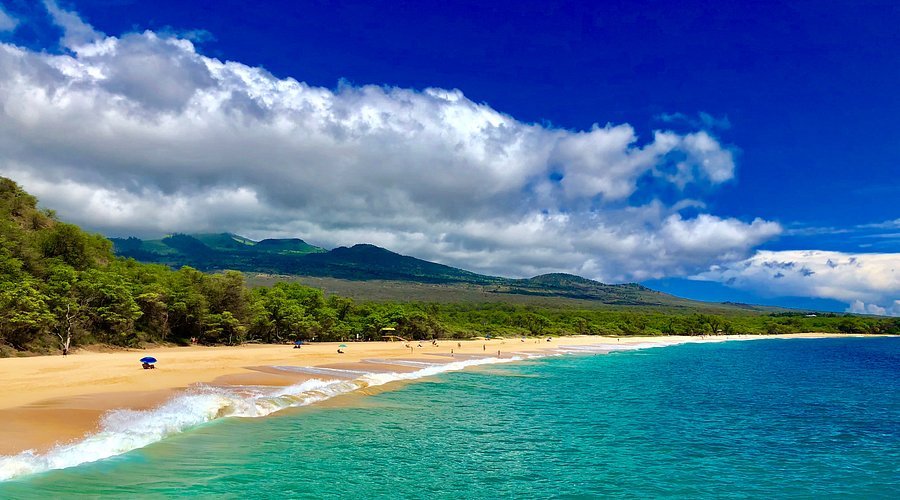
Picture this: I was on a dusty trail in the foothills near Lahore, the sun dipping low, casting that golden glow over everything. Suddenly, a family of peacocks strutted out from the bushes, their feathers shimmering like jewels. It stopped me in my tracks. Moments like that remind me why wildlife isn’t just background noise in our lives—it’s the heartbeat of the planet. But why exactly does wildlife matter? In a world buzzing with human activity, it’s easy to overlook the wild creatures sharing our space. Yet, they hold the key to our survival, joy, and even our economy. This article dives deep into the reasons, blending stories, facts, and a touch of wonder to show you why protecting wildlife should be on everyone’s radar.
I’ve spent years exploring nature, from local parks in Punjab to reading about global conservation efforts. It’s not just about saving cute animals; it’s about safeguarding our future. Let’s explore this together, step by step.
What is Wildlife?
Wildlife encompasses all the untamed animals, birds, insects, and plants living in their natural habitats, free from human domestication. Think lions roaming the savannas, bees buzzing in meadows, or fish darting through coral reefs. It’s the raw, unscripted life that thrives beyond our backyards.
These creatures form intricate webs of life, each playing a part in the bigger picture. Without them, ecosystems would crumble like a house of cards.
The Ecological Importance of Wildlife
Wildlife keeps our planet’s engines running smoothly. From pollinating crops to purifying water, animals are nature’s unsung heroes. Without them, we’d face chaos in food chains and climate patterns.
Biodiversity and Ecosystem Balance
Biodiversity—the variety of life—is wildlife’s gift to the world. Diverse species ensure ecosystems bounce back from disasters, like forests recovering after fires thanks to seed-dispersing birds. Lose one species, and the ripple effects can devastate entire habitats.
Imagine a world without bees; no more almonds or apples. It’s that interconnected.
Climate Regulation and Carbon Sequestration
Animals like elephants and whales act as climate warriors. Elephants knock down trees, allowing grasslands to store carbon, while whales fertilize oceans, boosting plankton that absorbs CO2. Studies show healthy wildlife populations help mitigate climate change by maintaining these natural processes.
It’s funny how a massive whale can be a tiny plankton’s best friend—and ours too.
Soil Health and Nutrient Cycling
Burrowing animals aerate soil, while decomposers like insects break down waste, enriching the earth. This cycle keeps soils fertile for agriculture, supporting billions of people.
Without wildlife, farms would struggle, leading to food shortages. Nature’s recyclers are irreplaceable.
Economic Benefits of Wildlife
Wildlife isn’t just pretty—it’s profitable. It drives industries that create jobs and boost economies worldwide.
Ecotourism and Livelihoods
Places like African safaris or birdwatching tours in Punjab generate billions. In Kenya, wildlife tourism employs thousands and funds conservation. I once visited a local reserve where guides shared stories of how spotting rare birds turned their lives around.
It’s a win-win: visitors get thrills, communities get income.
Medicinal Resources from Nature
Many drugs come from wildlife-inspired compounds. Aspirin from willow trees, cancer treatments from marine sponges—the list goes on. Biodiversity is our natural pharmacy.
Losing species means losing potential cures. It’s why conservation pays off in health dividends.
Food Security and Agriculture
Pollinators like bees ensure crop yields, while predators control pests. Wildlife supports fishing industries too, feeding millions.
In Pakistan, migratory birds help with pest control in rice fields, quietly boosting harvests.
Here’s a quick comparison:
| Aspect | With Healthy Wildlife | Without Healthy Wildlife |
|---|---|---|
| Crop Yields | High due to pollination and pest control | Low, leading to food shortages |
| Tourism Revenue | Billions from ecotourism | Minimal, job losses |
| Medicine Discovery | Ongoing from diverse species | Stagnant, missed cures |
Cultural and Spiritual Significance
Wildlife weaves into our stories, beliefs, and identities. It’s more than science; it’s soul food.
Symbols in Traditions and Art
From the peacock in Indian folklore to eagles in Native American tales, animals inspire art and rituals. They symbolize strength, freedom, or wisdom.
Growing up, tales of the markhor in Pakistani mountains taught me respect for nature’s majesty.
Mental Health and Well-Being
Spending time with wildlife reduces stress. Studies link nature exposure to better mood and health. A simple walk spotting squirrels can lift your spirits—it’s therapy on legs.
Who hasn’t smiled at a playful monkey video? It’s emotional glue.
Educational Value
Wildlife teaches kids about life cycles and empathy. School trips to zoos or reserves spark curiosity.
I remember my first encounter with a fox; it ignited a lifelong passion for biology.
Threats to Wildlife
Sadly, wildlife faces mounting dangers from human actions. Understanding these is key to action.
Habitat Loss and Fragmentation
Urban sprawl and farming slice habitats, isolating animals. Tigers in Asia struggle with shrinking forests.
It’s like evicting families without notice—heartbreaking and destructive.
Poaching and Illegal Trade
Rhinos and elephants fall to poachers for horns and tusks. Global trade fuels this crisis.
Efforts like WWF’s monitoring help, but we need more.
Climate Change Impacts
Rising temperatures shift habitats, forcing migrations. Polar bears lose ice, corals bleach.
It’s a slow burn threatening diversity.
Pros of Conservation Efforts:
- Restores habitats
- Boosts tourism
- Protects biodiversity
Cons:
- High costs
- Conflicts with development
- Slow results
How to Protect Wildlife
Protection starts with us. Small steps add up to big changes.
Conservation Organizations and Initiatives
Join groups like WWF or local Pakistani wildlife societies. They run programs from anti-poaching to habitat restoration.
Donate or volunteer—it’s rewarding.
Where to Get Involved
Visit national parks like Margalla Hills in Pakistan for guided tours. Online, platforms like iNaturalist let you report sightings.
For tools, apps like eBird track birds, aiding research.
Best Tools for Conservation
- Camera traps for monitoring
- Drones for habitat surveys
- Apps like Seek for species ID
These make citizen science accessible.
Personal Stories from the Wild
Let me share a tale: During a trip to Chitral, I spotted a snow leopard’s tracks. Our guide, a local herder, explained how protecting these cats reduced livestock losses through community programs. It was eye-opening—conservation isn’t abstract; it’s people’s lives.
Another time, in a Lahore park, watching butterflies taught my niece about pollination. Her wide-eyed wonder? Priceless.
These moments build connections, urging us to act.
Humor aside, imagine explaining to aliens why we let pandas go extinct—embarrassing, right?
People Also Ask
Drawing from common Google queries, here are real questions people search about wildlife.
Why Do We Need Wildlife?
We need wildlife for ecosystem balance, food, medicine, and joy. It sustains life as we know it.
Why Is Wildlife Important?
It’s crucial for biodiversity, climate control, and human health. Without it, our world unravels.
What Is the Point of Wild Animals?
They maintain nature’s equilibrium, inspire us, and provide resources. They’re not pointless; they’re essential.
Why Do We Love Wildlife?
It evokes wonder, connects us to nature, and offers escape. Biophilia—our innate love for life—explains it.
How Does Wildlife Benefit Humans?
From economic boosts to mental health perks, wildlife enriches our lives in countless ways.
Comparison: Wildlife-Rich vs. Depleted Areas
| Feature | Wildlife-Rich Areas (e.g., Amazon) | Depleted Areas (e.g., Deforested Zones) |
|---|---|---|
| Biodiversity | High, resilient ecosystems | Low, vulnerable to collapse |
| Human Benefits | Abundant resources, tourism | Scarcity, health issues |
| Climate Impact | Carbon sinks, stable weather | Increased emissions, extremes |
FAQ
What Are the Main Reasons to Conserve Wildlife?
Conservation preserves biodiversity, supports economies, and combats climate change. It’s vital for future generations.
How Can I Help Protect Wildlife Locally?
Reduce plastic use, support parks, and report poaching. Simple actions matter.
Why Is Biodiversity Declining?
Habitat loss, pollution, and overhunting are culprits. We must reverse this.
What Are the Best Wildlife Conservation Organizations?
WWF, IFAW, and local groups like Wildlife Conservation Society. Check their sites for involvement. [Internal link: /top-conservation-tips]
How Does Wildlife Affect Climate Change?
Animals regulate carbon and habitats, making them key allies against warming.
In wrapping up, wildlife isn’t optional—it’s essential. From that peacock encounter to global efforts, it ties us all together. Let’s commit to protecting it, for our sake and theirs. After all, a world without wildlife? Unimaginable.
Leave a Reply