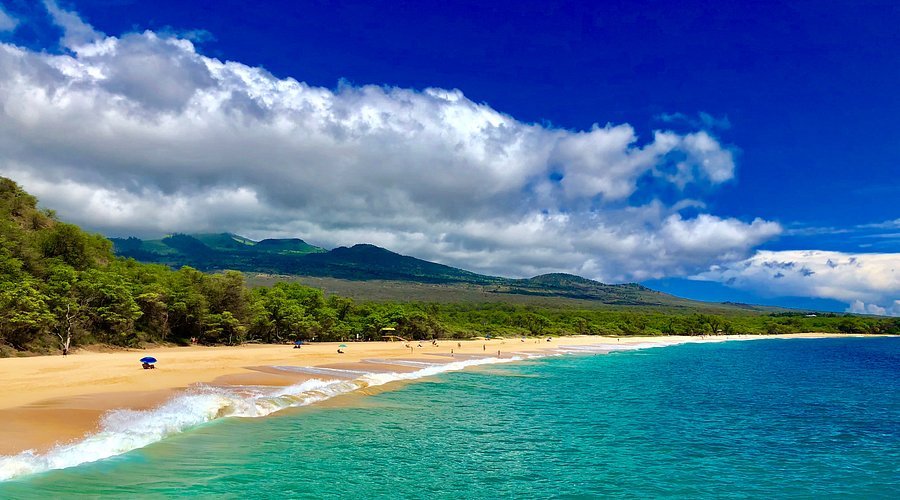
Imagine stepping off a rickety boat onto powdery white sand that squeaks under your feet like fresh snow, the kind that makes you wonder if you’re dreaming. That’s exactly what happened to me on my first trip to Whitehaven Beach in Australia back in 2018. I’d been backpacking for months, surviving on instant noodles and questionable hostel beds, when a local in Cairns convinced me to splurge on a day tour to the Whitsundays. As the turquoise water lapped at my ankles and I looked up at those swirling silica sands, I felt a rush—like the beach was whispering secrets only I could hear. It wasn’t just pretty; it was alive, shifting with the tides and pulling you in. Over the years, I’ve chased that feeling across continents, from hidden coves in Greece to penguin-dotted shores in South Africa. Each beach has its own personality, some serene and others buzzing with energy. In this article, we’ll dive into the world’s most stunning spots, blending my personal tales with practical tips to help you plan your own escape. Whether you’re seeking solitude or adventure, these beaches deliver that rare magic where land meets sea in perfect harmony.
What Makes a Beach Truly Beautiful?
Beauty on a beach isn’t just about postcard-perfect views; it’s the symphony of elements that stir your soul. Think crystal-clear waters that shift from emerald to sapphire, sands so soft they feel like silk, and backdrops of rugged cliffs or swaying palms that frame the scene like nature’s artwork. Add in unique touches—like bioluminescent waves or resident wildlife—and you’ve got something unforgettable. From my travels, I’ve learned it’s also about the vibe: a quiet dawn swim can transform an ordinary stretch into paradise, while crowds might detract from the charm.
Exploring the World’s Top Beaches by Continent
Grouping beaches by continent helps paint a broader picture of global diversity, from Asia’s overwater bungalows to Europe’s dramatic coastlines. This approach reveals how geography shapes these wonders, offering a roadmap for travelers plotting multi-destination trips. We’ll spotlight standout spots, drawing from expert lists and my own boots-on-the-sand experiences.
Asia’s Tropical Paradises
Asia boasts some of the planet’s most idyllic escapes, where beaches blend luxury with raw nature. The Maldives, for instance, feel like stepping into a screensaver with their atoll-ringed islands and vibrant marine life. I once snorkeled there at dusk, surrounded by glowing plankton that turned the water into a starry night—pure enchantment.
The Maldives’ Pristine Atolls
Picture over a thousand coral islands scattered like jewels across the Indian Ocean, each with beaches of blinding white sand and lagoons teeming with sea turtles. These spots are ideal for honeymooners or anyone craving ultimate relaxation, though rising sea levels remind us to visit responsibly. My stay on a local island taught me the warmth of Maldivian hospitality, far from the resort crowds.
Bora Bora’s Lagoon Magic in French Polynesia
Bora Bora’s beaches are legendary for their overwater villas and Mount Otemanu backdrop, creating a dramatic volcanic silhouette against azure waters. Swimming with rays here felt like a gentle dance, but watch for strong currents if you’re venturing far. It’s pricier than neighbors, yet the sunset views from the sand make every penny worthwhile.
Australia’s Iconic Shores
Down Under, beaches stretch for miles with unique ecosystems that blend surf culture and wildlife. From the Great Barrier Reef’s fringes to urban sands, they’re a playground for adventurers. I remember hitchhiking along the coast, stumbling upon hidden gems that felt worlds away from Sydney’s buzz.
Whitehaven Beach in the Whitsundays
This seven-kilometer arc of 98% pure silica sand swirls with tidal patterns, creating mesmerizing blue-and-white patterns visible from Hill Inlet lookout. It’s uninhabited, so pack water and sunscreen—my hike there rewarded me with stingray sightings, but the heat can sneak up on you. Perfect for a picnic, though boats are the main access.
Turquoise Bay in Ningaloo Reef
Ningaloo’s lesser-known gem offers drift snorkeling over coral gardens alive with fish and occasional whalesharks. The bay’s calm, shallow waters make it family-friendly, unlike rougher Aussie spots. I floated for hours here, spotting a sea turtle—just remember to enter at the south end to avoid swimming against the current.
Bondi Beach in Sydney
Urban yet stunning, Bondi’s golden sands curve against cliffs, buzzing with surfers and joggers along the coastal walk. It’s where I learned to surf (badly), laughing off wipeouts amid the lively crowd. Great for people-watching, but early mornings offer a peaceful contrast to the afternoon throngs.
Europe’s Dramatic Coastlines
Europe’s beaches surprise with their variety, from pink sands to shipwreck coves. Shaped by history and geology, they often come with charming nearby villages. My European beach hops have included cliffside picnics and unexpected dips in chilly seas that invigorate like nothing else.
Elafonissi Beach in Crete, Greece
Famous for its pink-tinged sands from crushed shells, Elafonissi wades into shallow lagoons backed by dunes and mountains. It’s a nature reserve, so tread lightly—my visit included spotting rare plants, but winds can whip up sandstorms. Ideal for families, with calm waters perfect for wading.
Navagio Beach (Shipwreck Beach) in Zakynthos, Greece
Enclosed by sheer cliffs, this cove features a rusted shipwreck on pebble sands lapped by electric-blue waters. Accessible only by boat, it’s thrilling but crowded in peak season—I cliff-jumped here once, heart pounding, but safety first with those rocks below. A must for photographers seeking that iconic aerial shot.
Zlatni Rat in Brac, Croatia
This horn-shaped pebble beach juts into the Adriatic, shifting with winds and currents like a living sculpture. Pine forests provide shade, and winds make it a windsurfing hub. I rented a bike to explore nearby trails—pro tip: visit off-season to avoid the yacht crowds anchoring offshore.
Africa’s Unique Wonders
Africa’s beaches mix wildlife and culture, often less touristed for an authentic feel. From penguin colonies to endless dunes, they offer surprises. My South African road trip introduced me to beaches where oceans meet savanna, blending safari vibes with seaside chill.
Boulders Beach in Simon’s Town, South Africa
Home to a colony of African penguins waddling on granite boulders, this sheltered cove has clear waters for swimming alongside the birds. Boardwalks keep interactions respectful— I chuckled watching penguins “fly” underwater, but keep distance to avoid bites. A quirky, family-oriented spot near Cape Town.
The Americas’ Diverse Sands
The Americas span from Caribbean idylls to Brazilian icons, with beaches for every mood. Cultural fusion adds flavor, like samba on the sand. My Latin American jaunts have included beachside ceviche and spontaneous volleyball games that turned strangers into friends.
Eagle Beach in Aruba
Wide, powdery sands and divi-divi trees bent by trade winds define this Caribbean stunner, with low-rise resorts keeping it relaxed. Turtle nesting season is magical—I volunteered once, releasing hatchlings at dawn. Calm waters suit snorkeling, though jellyfish occasionally appear.
Copacabana Beach in Rio de Janeiro, Brazil
This four-kilometer urban playground pulses with volleyball, street vendors, and mountain views. It’s where I joined a pickup soccer game, sweating under the sun but loving the energy. Iconic mosaics line the promenade—great for evening strolls, but watch belongings in crowds.
Seven Mile Beach in Grand Cayman
Actually closer to five miles, this coral-sand stretch offers gin-clear waters and luxury resorts without high-rises blocking views. Stingray City nearby adds adventure—I fed rays by hand, their velvety skin surprising me. Perfect for sunset cocktails, with calm seas year-round.
Isla Pasion in Cozumel, Mexico
A private island oasis with hammocks swaying over turquoise reefs, it’s ideal for snorkeling amid colorful fish. Boat access keeps it exclusive—my day there included fresh guacamole on the sand, but pack bug spray for evenings. Romantic and secluded, yet close to mainland amenities.
Comparing the World’s Best Beaches: A Handy Table
To help you choose, here’s a comparison of key features across continents. This table highlights what sets each apart, based on accessibility, activities, and unique draws.
| Beach | Location | Sand Type | Water Clarity | Unique Feature | Best For | Crowds Level |
|---|---|---|---|---|---|---|
| Whitehaven | Australia | Silica white | Excellent | Tidal swirls | Relaxation | Low |
| Elafonissi | Greece | Pink-tinged | Crystal | Nature reserve | Families | Medium |
| Maldives Atolls | Maldives | Fine white | Superb | Overwater villas | Luxury | Variable |
| Navagio | Greece | Pebble | Vibrant blue | Shipwreck | Adventure | High |
| Turquoise Bay | Australia | Soft white | Pristine | Drift snorkel | Wildlife | Low |
| Bora Bora | French Polynesia | Coral white | Lagoon clear | Volcanic backdrop | Honeymoons | High |
| Boulders | South Africa | Sandy with boulders | Good | Penguins | Quirky fun | Medium |
| Zlatni Rat | Croatia | Pebble | Clear Adriatic | Shape-shifting | Watersports | High |
| Copacabana | Brazil | Golden | Moderate | Urban vibe | Socializing | High |
| Seven Mile | Cayman Islands | Coral soft | Exceptional | Stingrays nearby | Diving | Medium |
This snapshot draws from traveler reviews and my visits, showing how beaches cater to different preferences. For instance, Australia’s remote spots suit introverts, while Brazil’s energize extroverts.
Pros and Cons of Visiting Iconic Beaches
Every paradise has trade-offs. Here’s a balanced look to set expectations.
Pros of Beach Travel
- Mental Reset: Nothing beats ocean sounds for stress relief—I always return refreshed.
- Diverse Activities: From snorkeling to hiking, options abound.
- Cultural Immersion: Local food and festivals add depth.
- Health Benefits: Vitamin D and fresh air boost well-being.
- Memories for Life: Sunsets shared with loved ones stick forever.
Cons to Consider
- Crowds and Costs: Popular spots like Bora Bora can drain wallets and patience.
- Environmental Impact: Overtourism erodes sands; choose eco-friendly operators.
- Weather Risks: Hurricanes or jellyfish seasons disrupt plans.
- Accessibility Issues: Remote beaches require boats or hikes, not ideal for all.
- Health Concerns: Sunburn or bugs—pack essentials.
Weighing these helps tailor trips. For budget travelers, opt for off-peak visits to cut cons.
People Also Ask: Common Questions About Beautiful Beaches
Drawing from real Google queries, here’s insight into what folks wonder.
What is the number 1 most beautiful beach in the world?
Tripadvisor ranks Isla Pasion in Mexico tops for 2026, thanks to its coral reefs and seclusion. But beauty’s subjective—Whitehaven stole my heart with its purity. Experts like Lonely Planet often highlight Turquoise Bay for its untouched vibe.
Which country has the most beautiful beaches?
Australia edges out with diverse gems like Whitehaven and Bondi, per travel pros. Brazil and Greece follow closely, offering urban and cliffside stunners. From my tally, the Philippines’ hidden coves deserve mention too.
What is the most famous beach in the world?
Copacabana in Rio takes the crown for its cultural icon status, featured in songs and films. Bondi’s surf scene runs close, while Waikiki’s history draws crowds. I found Copacabana’s energy unmatched.
Are there beaches with pink sand?
Yes, Elafonissi in Greece and Bermuda’s Horseshoe Bay glow pink from shell fragments. It’s a rare treat—walking Elafonissi felt like stepping on cotton candy, minus the stickiness.
How to Get to These Beaches: Navigational Tips
Planning access is key. For Whitehaven, fly into Hamilton Island then boat over—tours from Airlie Beach run daily. Greece’s islands require ferries from Athens; Zakynthos has direct flights. In the Maldives, seaplanes whisk you to atolls from Malé. Budget for transfers, as many are remote.
Best Tools and Gear for Beach Adventures
Pack smart with essentials like reef-safe sunscreen (try Sun Bum), a waterproof phone case (OtterBox), and portable hammocks (ENO). For snorkeling, GoPro cameras capture underwater magic. Apps like AllTrails guide hikes, while Booking.com secures stays. These tools enhanced my trips without breaking the bank.
FAQ: Your Burning Beach Questions Answered
How do I choose the best beach for relaxation?
Look for low crowds and calm waters, like Turquoise Bay. Check reviews for vibe—my rule: if it’s too Insta-famous, it might buzz too much.
What are the safest beaches for families?
Boulders Beach with its penguins and shallow pools, or Elafonissi for wading. Avoid strong-current spots; always check local advisories.
How can I visit beaches sustainably?
Use eco-tours, avoid single-use plastics, and support local economies. I offset flights via Carbonfund.org—small steps preserve these wonders.
What’s the best time to visit tropical beaches?
Dry seasons: December-April for Caribbean, May-October for Mediterranean. Dodge monsoons; shoulder months save money and reduce crowds.
Are there affordable beautiful beaches?
Absolutely—Croatia’s Zlatni Rat or Mexico’s Cozumel offer value. Hostels and street food keep costs down, as I discovered backpacking.
In wrapping up, these beaches aren’t just destinations; they’re experiences that linger long after the sand shakes from your shoes. From the penguin parades at Boulders to Bora Bora’s sunsets, each has etched a story in my heart. I’ve shared laughs with locals, faced minor mishaps like forgotten sunscreen (ouch!), and found solace in solitary walks. If you’re dreaming of toes in the sand, start planning—life’s too short not to chase that horizon. Safe travels, and may your beach days be as endless as the ocean.
Leave a Reply