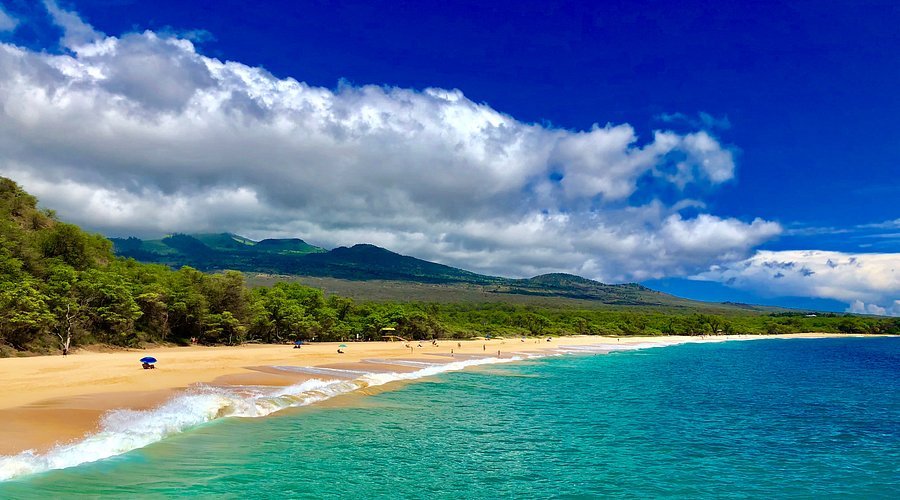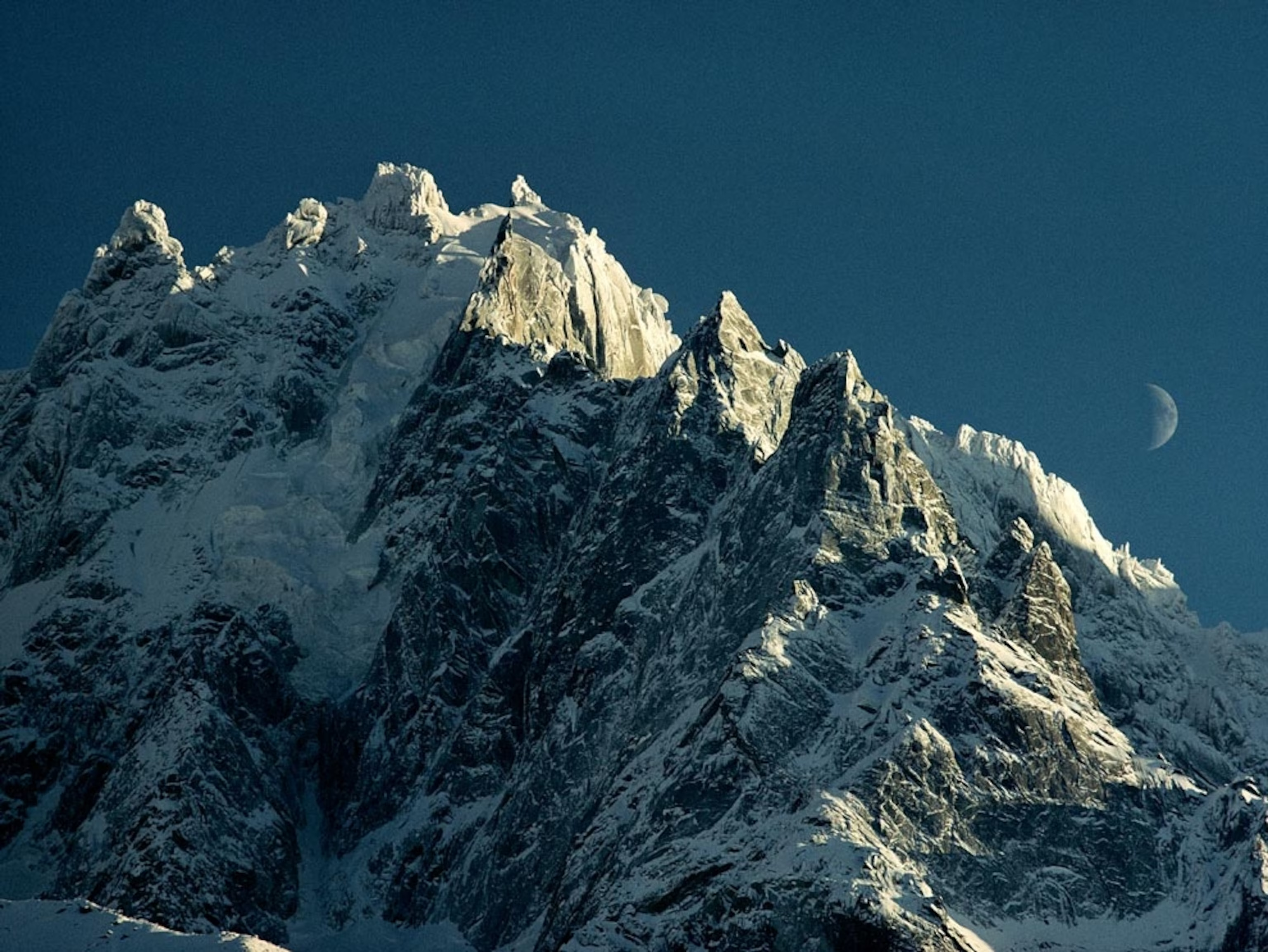
Imagine standing at the base of a towering peak, craning your neck to see the summit vanish into the clouds. I remember my first hike up a section of the Appalachian Trail years ago—those rounded, forested hills felt ancient, like wise old guardians of the land. But as I puffed my way up, a question nagged at me: if mountains are pushed up by massive forces deep in the Earth, why don’t they just keep growing taller and taller, piercing the sky like some endless rocky ladder? It’s a puzzle that blends geology’s raw power with nature’s subtle checks and balances. In this deep dive, we’ll unpack the science behind mountain growth limits, drawing on real-world examples and a touch of wonder. By the end, you’ll see why our planet’s peaks have a built-in height cap, and how that shapes the world we explore.
The Forces That Shape Our Peaks
Mountains aren’t static monuments; they’re dynamic features born from Earth’s restless interior. Think of them as the planet’s way of flexing its muscles during tectonic showdowns. But just like a bodybuilder hits a plateau, mountains face limits that prevent eternal growth.
Collision Course: Tectonic Plates at Work
When massive slabs of Earth’s crust smash together, they crumple and thrust upward, forming ranges like the Himalayas. This process, called orogeny, can lift land thousands of feet over millions of years. Yet, it’s not infinite—the energy from plate movements eventually wanes or redirects.
Volcanic Uplift: Lava’s Slow Build
In places like Hawaii, mountains grow from repeated eruptions layering molten rock. Mauna Kea, measured from its ocean base, towers over 33,000 feet. But even here, gravity and cooling crust cap the height, as the weight presses down on the softer mantle below.
Fault Lines and Folds: The Hidden Architects
Faults slip and rocks fold under pressure, creating uplifted blocks. The Sierra Nevada formed this way, but ongoing erosion nibbles at their gains. It’s a reminder that building up is only half the story; wearing down is the relentless counterpart.
The Relentless Grind: Erosion’s Role
Erosion is the unsung hero—or villain, depending on your view—that keeps mountains in check. Picture it as nature’s sculptor, chiseling away at stone with tools like wind, water, and ice. Without it, our planet might look like a jagged mess, but instead, we get habitable valleys and fertile soils.
Water’s Carving Power
Rivers slice through rock like a hot knife through butter, carrying sediments away. In the Grand Canyon, the Colorado River has exposed billions of years of history by eroding layer after layer. This constant removal prevents peaks from stacking indefinitely.
Ice and Glaciers: Frozen Bulldozers
Glaciers grind down mountains, plucking boulders and scouring valleys. In Alaska’s ranges, they’re still at work, but in warmer climates, past ice ages left their mark. It’s ironic—ice builds height through accumulation but destroys it through movement.
Wind and Weather: Subtle but Steady
Wind blasts particles that abrade surfaces, while rain dissolves minerals. Over eons, this weathering softens sharp edges. I once saw a sandstone cliff in Utah pockmarked by wind; it’s a slow process, but multiply by millions of years, and it flattens giants.
Gravity’s Pull: Landslides and Slumps
As mountains steepen, gravity triggers collapses. Think of the 1980 Mount St. Helens eruption, where a landslide reshaped the peak. This self-regulation ensures slopes don’t get too extreme, capping overall height.
The Balancing Act: Uplift Versus Erosion
Mountains exist in a delicate equilibrium where building forces meet destructive ones. It’s like a tug-of-war where neither side fully wins, resulting in stable—but not growing—peaks. This balance explains why some ranges rise while others fade.
Active Ranges: Still on the Rise
In the Himalayas, uplift from the Indian plate’s push adds about 5 millimeters yearly to Everest. But erosion matches it, shaving off similar amounts through monsoons and glaciers. Without this counter, Everest might be miles taller, but reality keeps it grounded.
Ancient Relics: Worn by Time
The Appalachians, over 300 million years old, were once Himalayan-sized. Erosion has rounded them to under 7,000 feet. Hiking there, I felt the weight of time—these hills whisper stories of vanished heights, now just rolling landscapes.
Isostasy: Floating on a Sea of Mantle
Earth’s crust floats on denser mantle like ice on water. As mountains grow heavy, they sink, reducing net height gain. This buoyancy adjustment limits peaks to around 10-15 kilometers theoretically, far short of piercing the atmosphere.
Limits Imposed by Physics and Gravity
Gravity isn’t just what keeps us grounded; it’s the ultimate enforcer of mountain modesty. Combined with material strength, it sets a hard cap on how tall Earthly peaks can get. If mountains ignored this, we’d have sci-fi landscapes, but physics says no.
The Theoretical Ceiling: 10-15 Kilometers
Calculations show Earth’s rock can’t support more than about 45,000 feet without crumbling under its weight. Everest at 29,032 feet is close but not there—erosion and sinking prevent it. On Mars, weaker gravity allows Olympus Mons to reach 72,000 feet.
Rock Strength: Not Infinite
Granite and basalt have compressive limits. Beyond a point, bases deform plastically, spreading out rather than up. It’s like stacking sand; too high, and it slumps. This keeps our mountains majestic but manageable.
Atmospheric Constraints: Thinner Air Up Top
Higher altitudes mean less oxygen and harsher weather, accelerating erosion. Winds howl fiercer, rains pound harder. It’s nature’s way of saying, “That’s tall enough”—a built-in brake on ambition.
Real-World Examples: From Youth to Old Age
Let’s compare young, vigorous mountains with their elder counterparts. This highlights how time and processes sculpt different profiles, offering lessons for hikers and geologists alike.
The Himalayas: Youthful and Ambitious
Formed 50 million years ago, they’re still growing. Everest gains height but loses to erosion. Visiting Nepal, I marveled at their sharpness—evidence of ongoing battles between uplift and wear.
The Rockies: Middle-Aged Majesty
About 70 million years old, the Rockies rise from North American plate dynamics. Glaciers carve them dramatically, but they’re eroding faster in places. A drive through Colorado shows peaks that feel alive, yet tempered.
The Appalachians: Wise and Weathered
These 480-million-year-old veterans peaked at Everest heights long ago. Now, they’re gentle, forested ridges. My trail experiences there felt peaceful, a contrast to the Himalayas’ raw energy.
Comparison Table: Mountain Ages and Heights
| Mountain Range | Age (Millions of Years) | Current Max Height (Feet) | Growth Status | Erosion Rate |
|---|---|---|---|---|
| Himalayas | 50 | 29,032 (Everest) | Active uplift | High, balancing growth |
| Rockies | 70 | 14,440 (Elbert) | Slowing | Moderate, glacial dominant |
| Appalachians | 480 | 6,684 (Mitchell) | Stable | Low, mostly weathered |
| Alps | 30 | 15,781 (Blanc) | Active | High, rivers and ice |
This table shows how age correlates with height and activity—younger means taller, older means rounded.
Pros and Cons of Mountain Growth Limits
Nature’s caps on mountains have upsides and downsides. It’s a mixed bag that affects ecosystems, humans, and the planet.
Pros of Height Limits
- Habitable Landscapes: Erosion creates valleys for rivers, farms, and cities. Without it, we’d have barren heights.
- Biodiversity Boost: Varied terrains from wear foster unique habitats. Think alpine meadows born from glacial scours.
- Soil Renewal: Sediments from erosion enrich plains, feeding agriculture worldwide.
Cons of Height Limits
- Landslide Risks: Steep slopes from partial erosion can trigger disasters, like in the Himalayas.
- Lost Majesty: Old ranges lose their drama; imagine if Appalachians were still sky-high.
- Climate Shifts: Worn mountains alter weather patterns, potentially drying regions.
What If Mountains Did Grow Forever?
Humor me for a moment—if erosion took a vacation, mountains might reach absurd heights. We’d have peaks scraping the stratosphere, with bases like mini-continents. But realistically, gravity would collapse them into plateaus. It’s a fun “what if” that underscores Earth’s elegant balance. On a personal note, I’d love to climb a 50,000-foot behemoth, but I’d probably need oxygen from the start!
People Also Ask: Common Questions Answered
Drawing from real Google searches, here are key queries related to mountain growth.
How Tall Can Mountains Get on Earth?
The practical limit is around 29,000-30,000 feet due to erosion and gravity. Theoretically, without wear, up to 45,000 feet, but that’s unlikely. For more, check USGS resources here.
Are Mountains Still Growing Today?
Yes, active ones like the Himalayas grow millimeters yearly. Others, like the Alps, do too. Learn where to track this at NASA’s Earth Observatory site.
Why Don’t Mountains Reach the Atmosphere?
Gravity and erosion prevent it. The atmosphere starts thinning at 18,000 feet; peaks can’t sustain beyond due to rock limits. For atmospheric layers, visit NOAA’s guide here.
What Prevents Mountains from Collapsing?
Rock strength and isostatic support. But over height, they spread or sink. Internal link: Explore more on rock types in our /geology-basics section.
Where to Experience Mountain Wonders
For navigational intent, head to national parks. The Great Smoky Mountains offer eroded Appalachian hikes—try the Clingmans Dome trail for views. In the Rockies, Rocky Mountain National Park has accessible peaks. Internationally, Nepal’s Everest Base Camp trek shows active growth up close.
Best Tools for Studying Mountains
Transactionally, grab a GPS altimeter like the Garmin inReach for height tracking. For home study, apps like PeakFinder AR visualize ranges. Best books: “Annals of the Former World” by John McPhee for geologic tales. Shop at REI here for gear, or Amazon for books.
FAQ
Why do some mountains shrink over time?
Erosion outpaces uplift in old ranges, wearing them down. Appalachians exemplify this, losing height steadily.
How fast do mountains grow?
Active ones like Everest add 1-5 mm yearly from tectonics. Measure with tools like satellite altimetry—check internal /mountain-measurement guide.
Can humans affect mountain growth?
Indirectly, via climate change accelerating erosion through stronger storms. But tectonics dominate.
What’s the oldest mountain range?
The Barberton Greenstone Belt in South Africa, over 3.5 billion years old, though heavily eroded.
How do we know mountains’ ages?
Through radiometric dating of rocks and fossil records. For diy learning, try geology kits from educational sites like this.
In wrapping up, mountains’ finite growth is a testament to Earth’s harmonious systems—uplift meets erosion in a dance that’s shaped our world for eons. Next time you’re on a peak, remember: it’s not just rock; it’s a story of limits and balance. If this sparked your curiosity, dive deeper with linked resources or hit the trails yourself. The mountains are calling.